Tai O
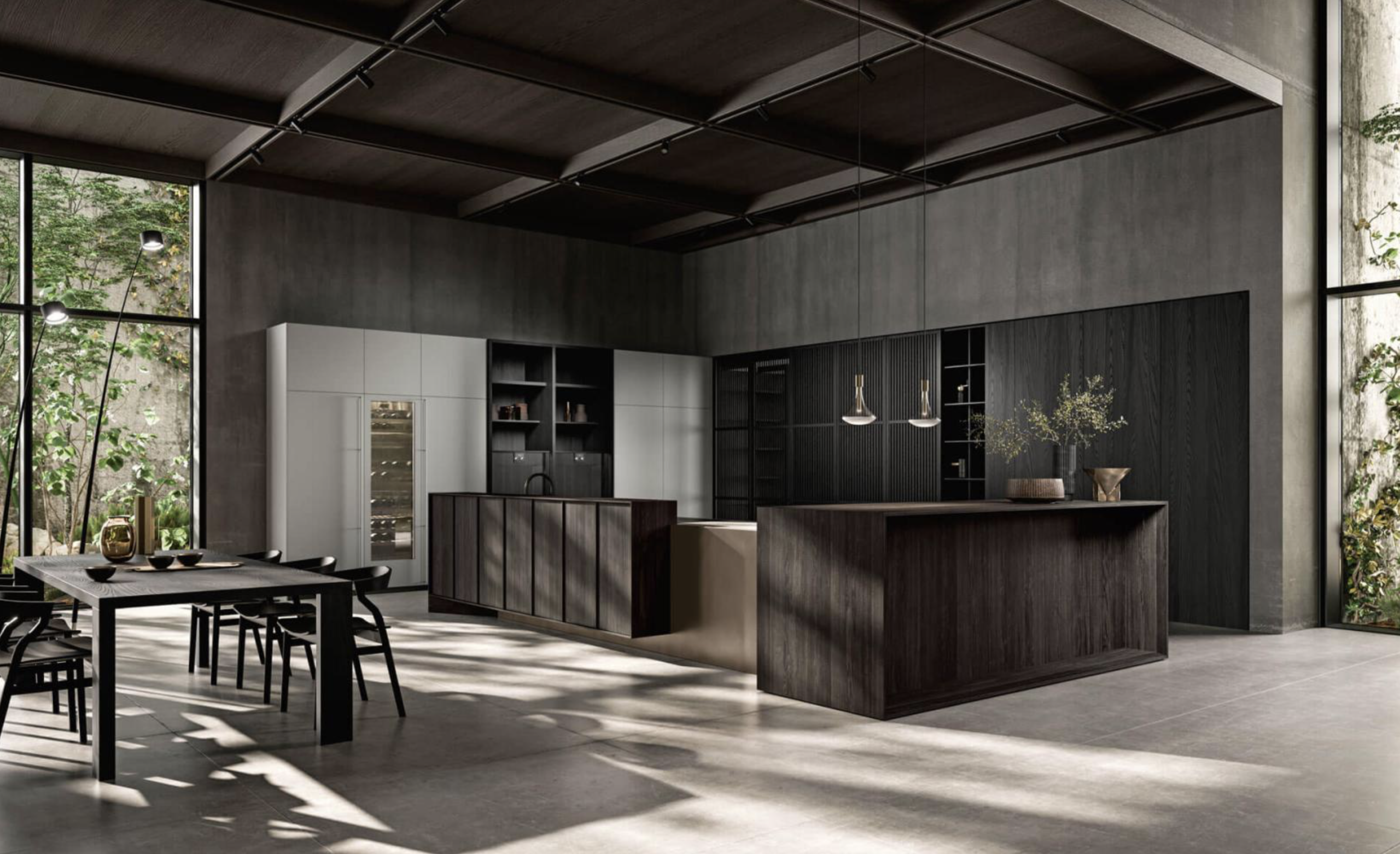
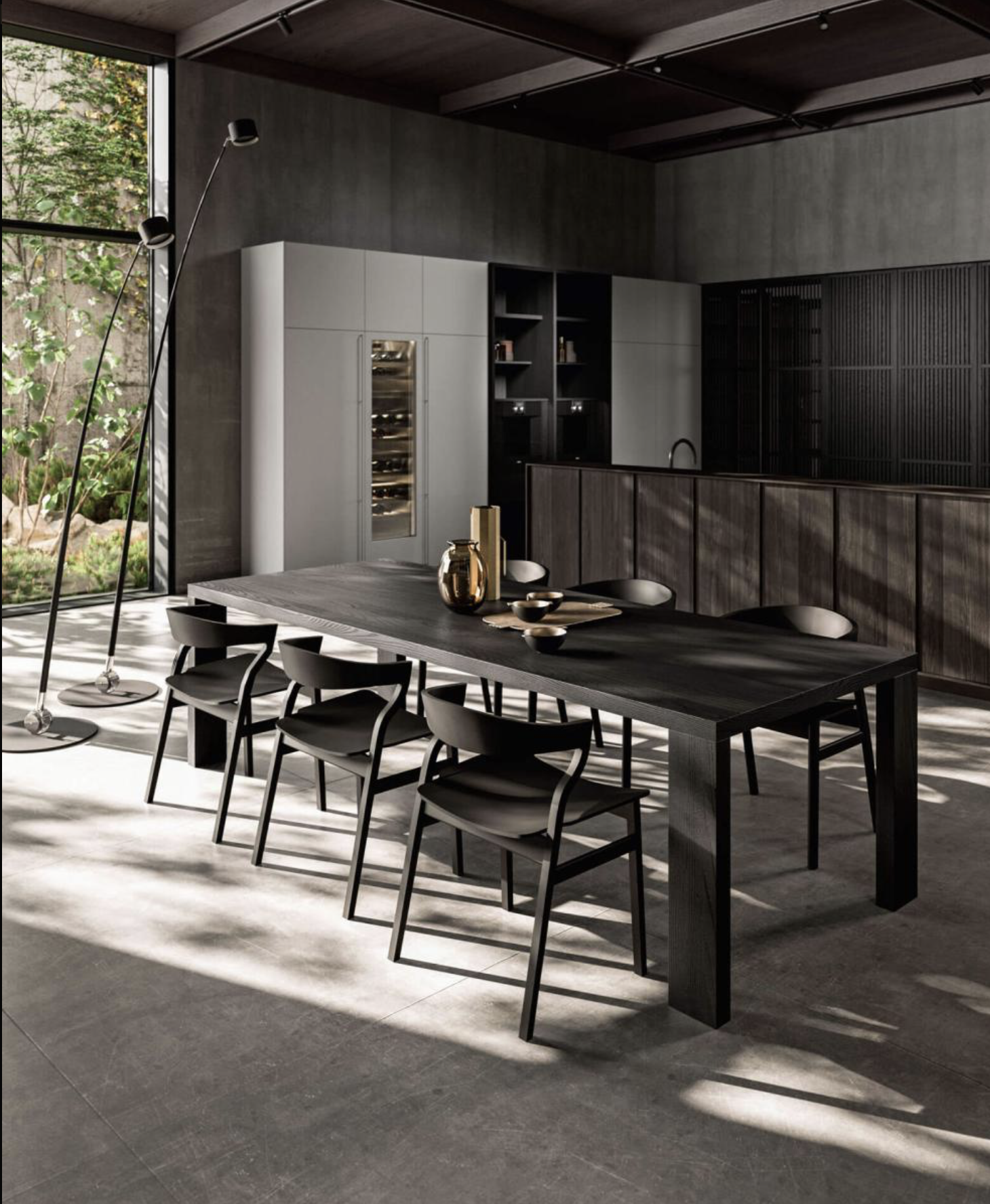
Tai_O by Key Cucine was born as a spatial concept, an evolution, a disposition and a synthesis. Tai O, whose literal meaning is “great inlet”, is a fishing village, partly located on an island on the western side of Hong Kong. The name refers to the outlet of waterways that merge as they move through Tai O.
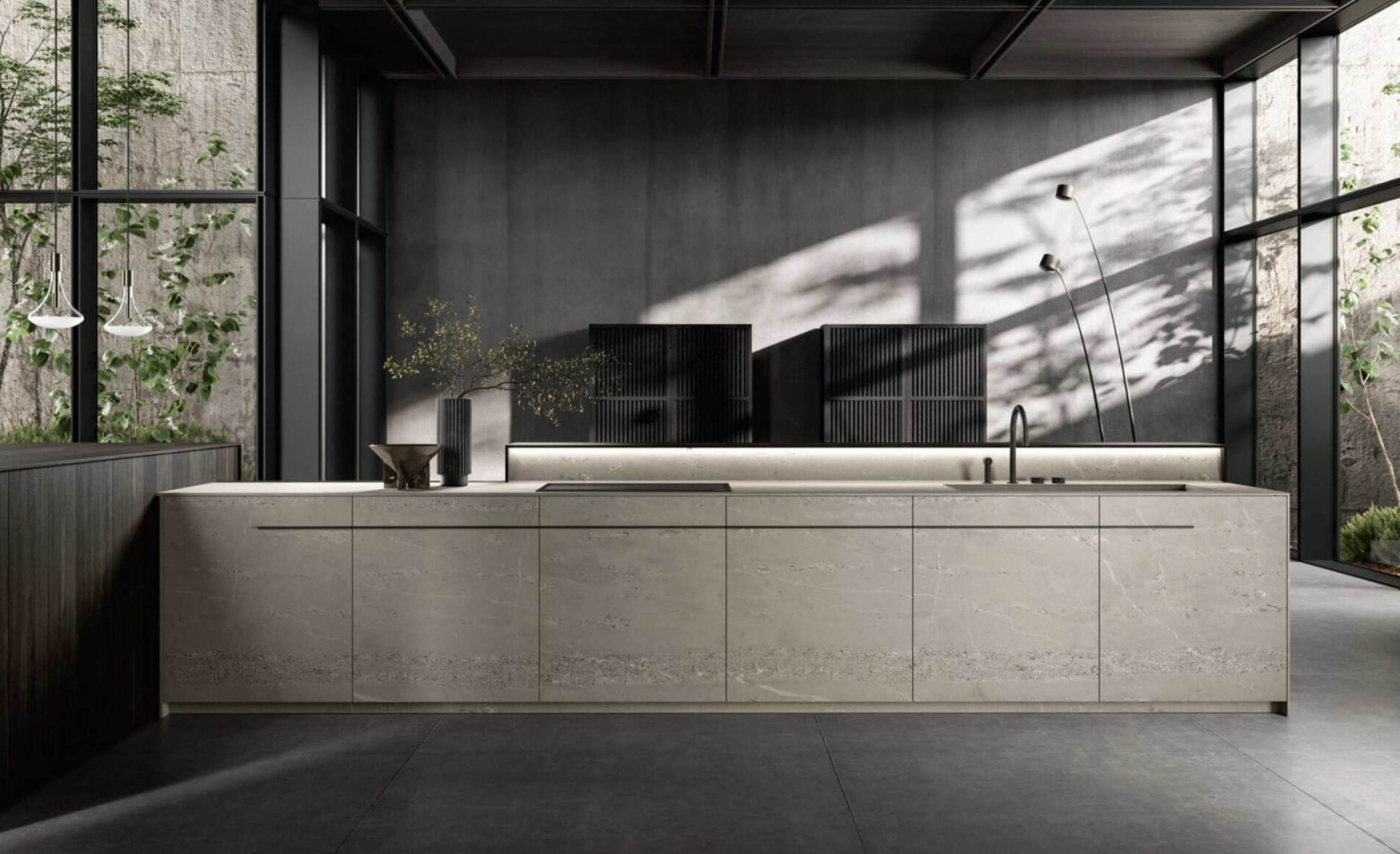
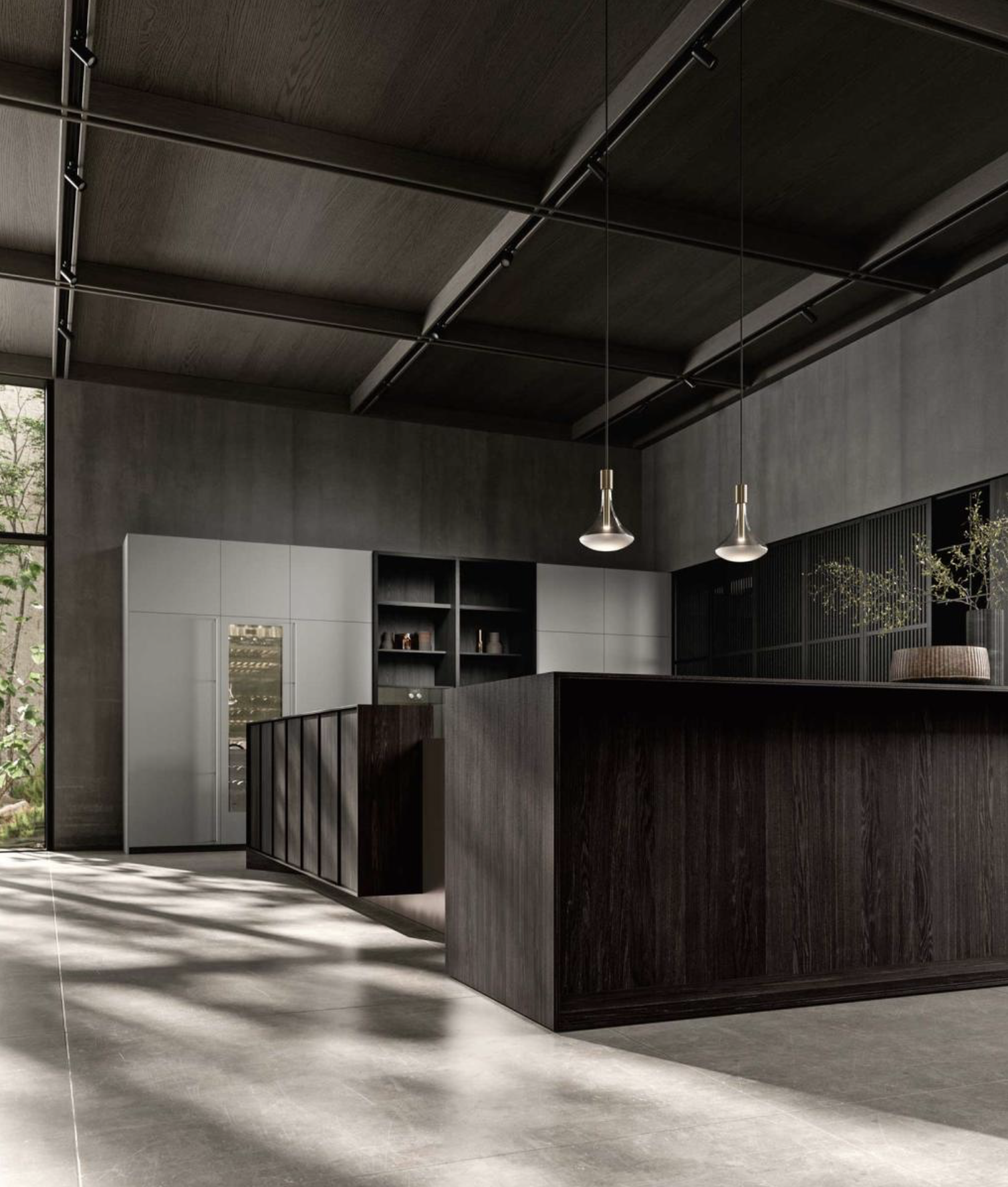
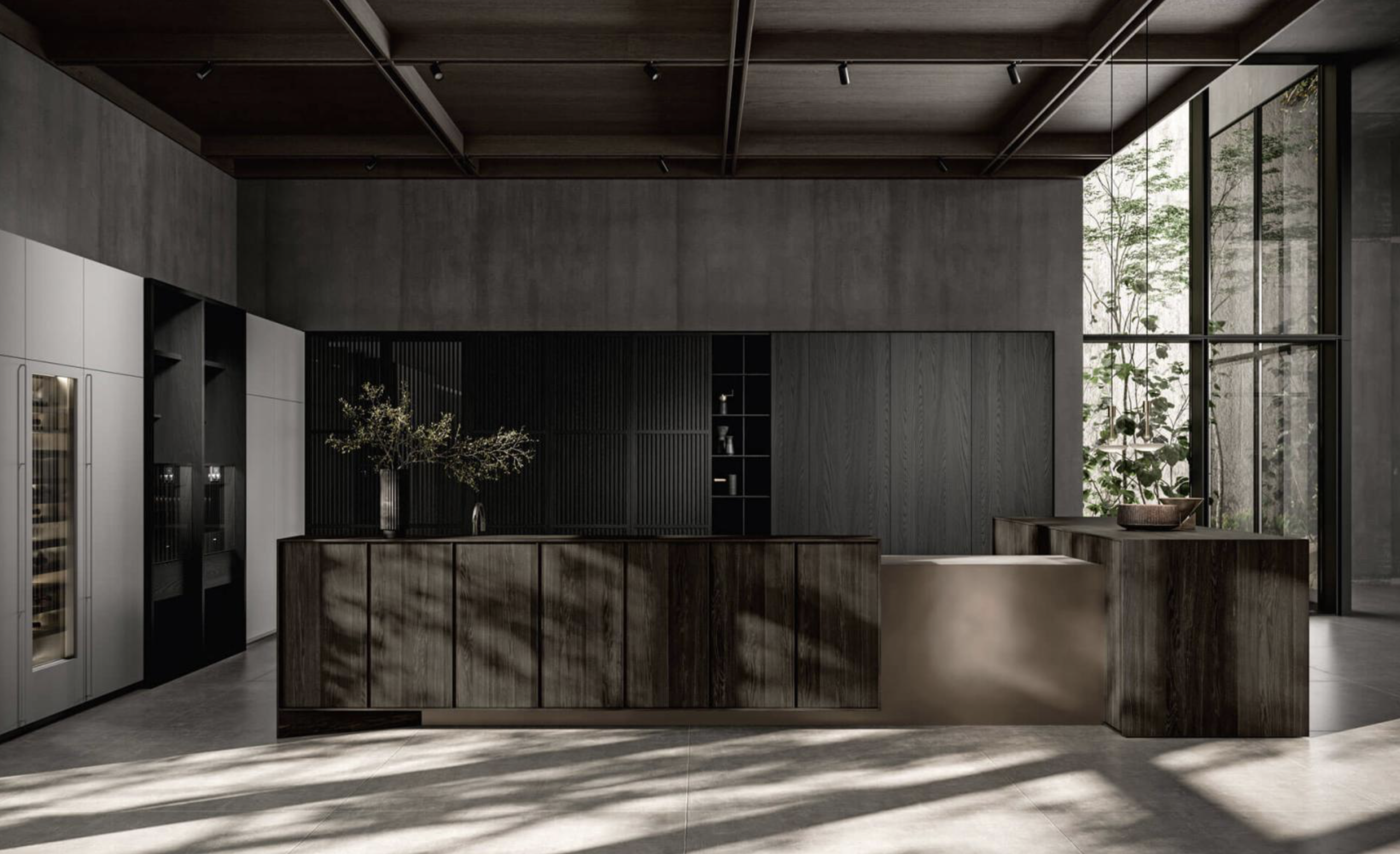
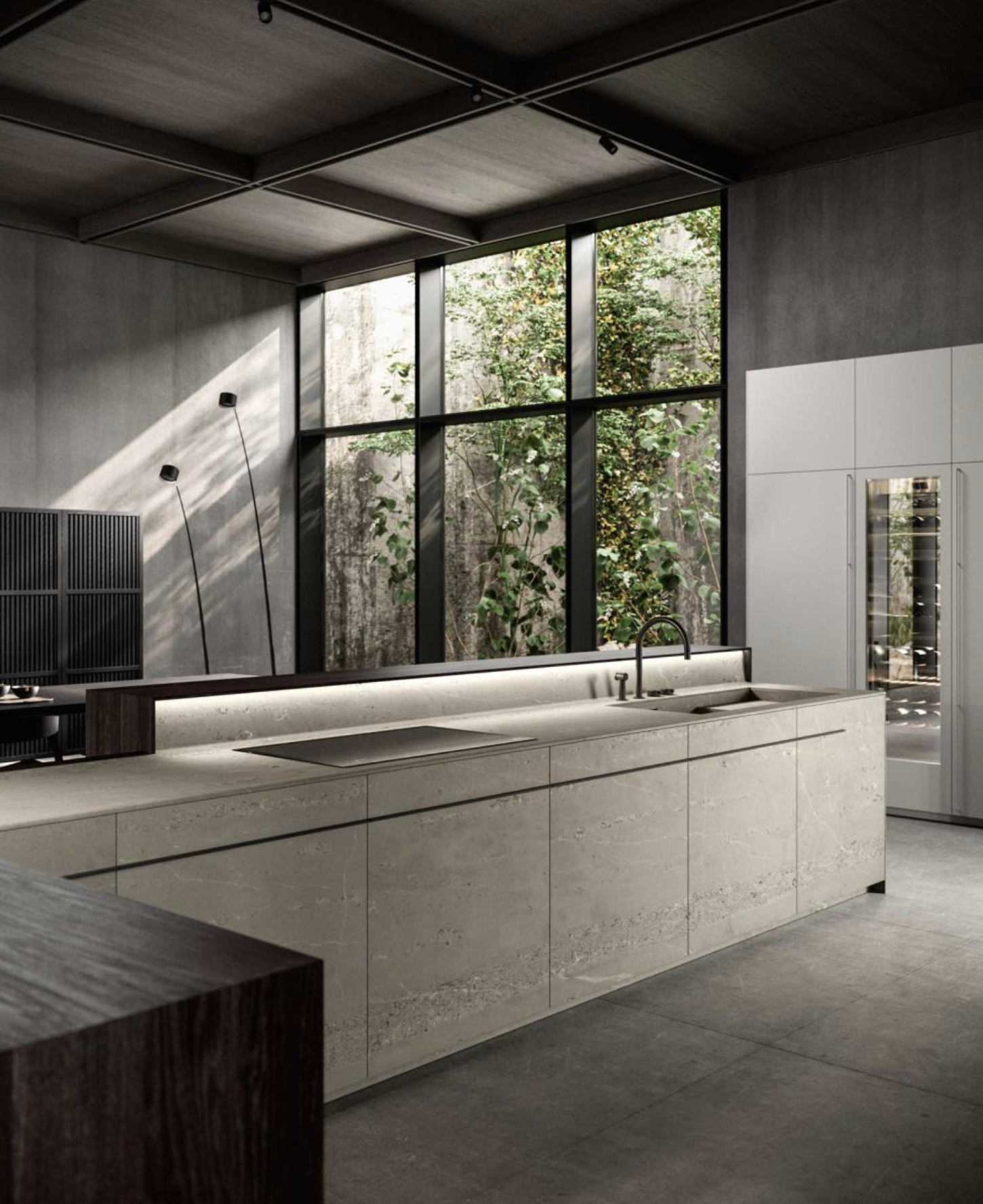
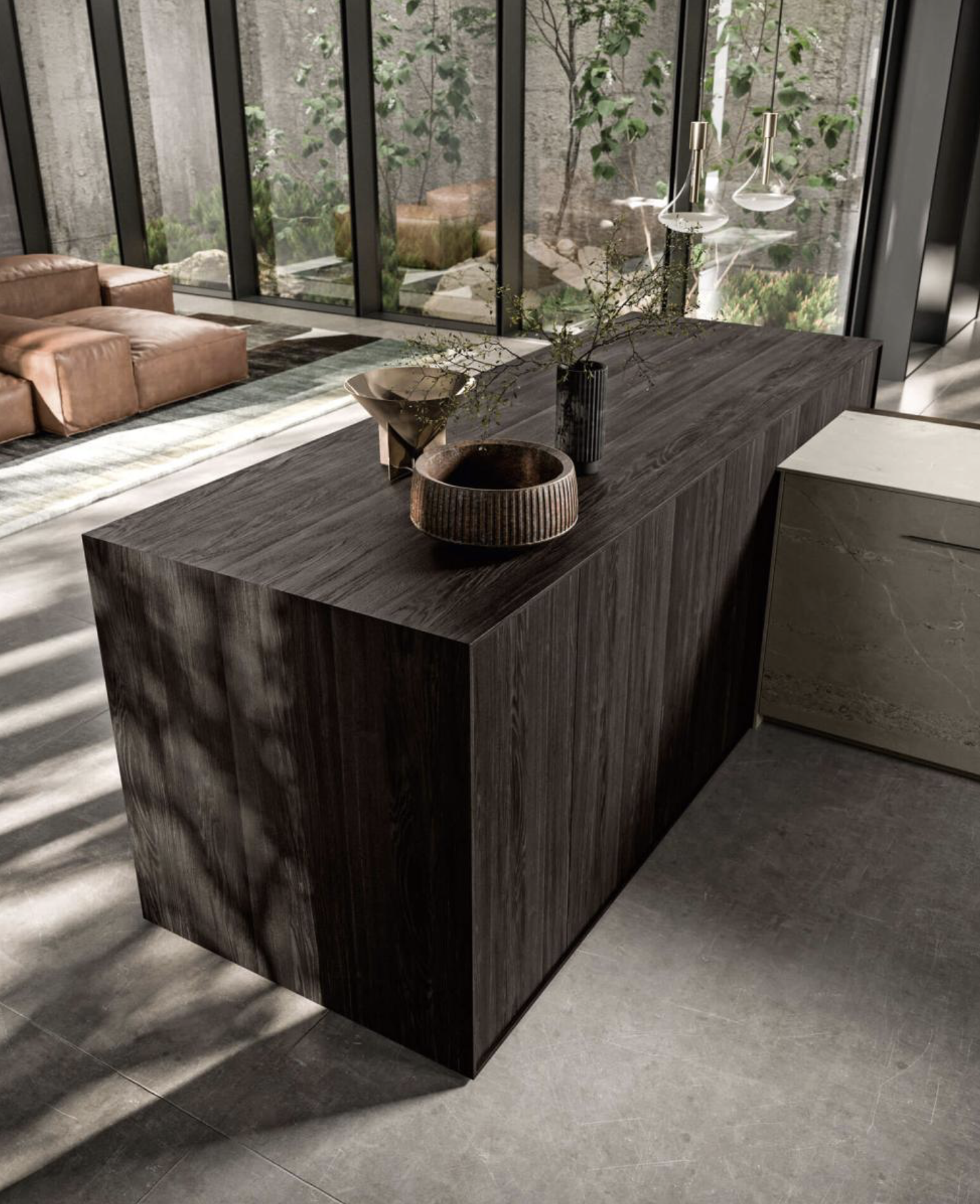
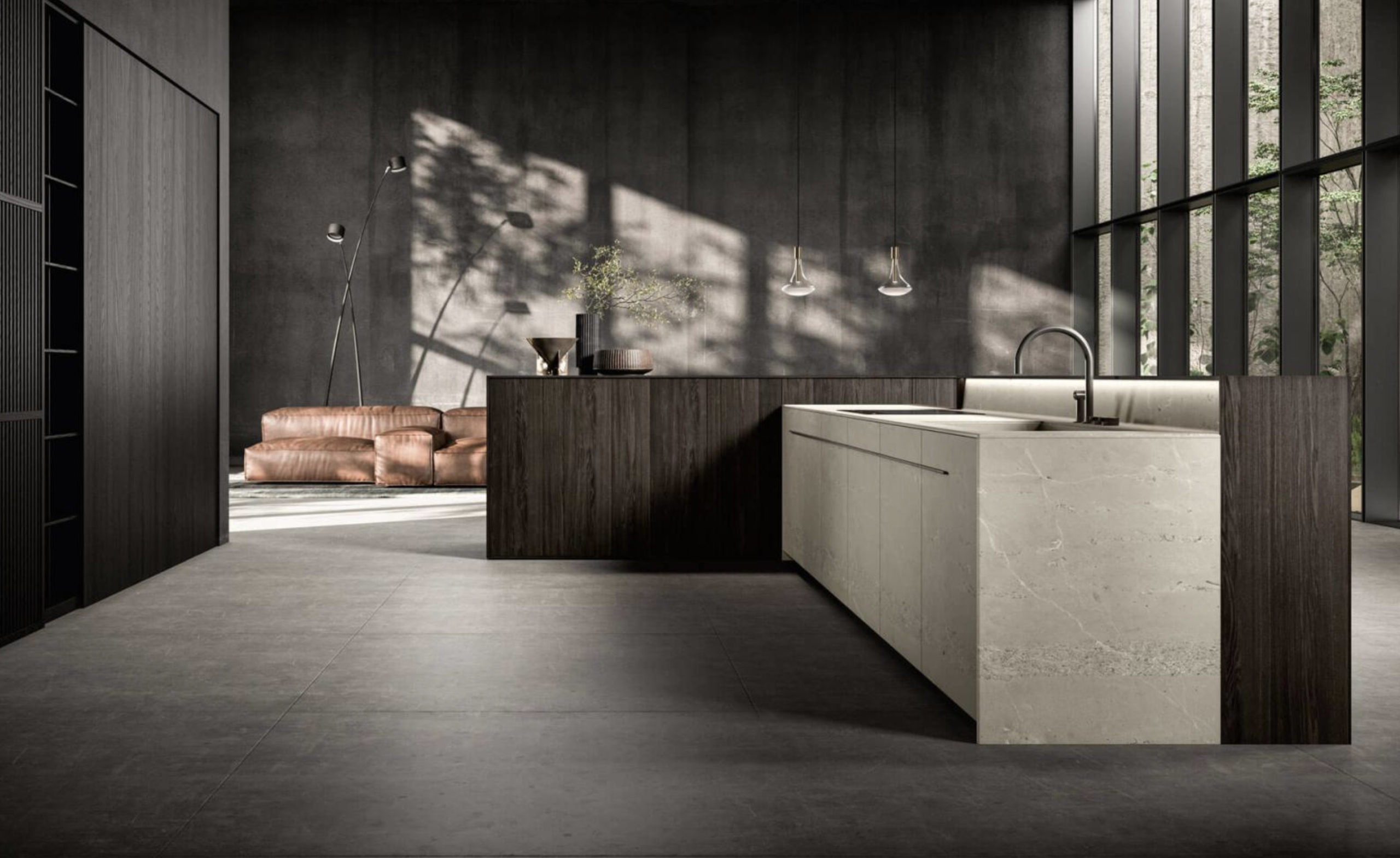
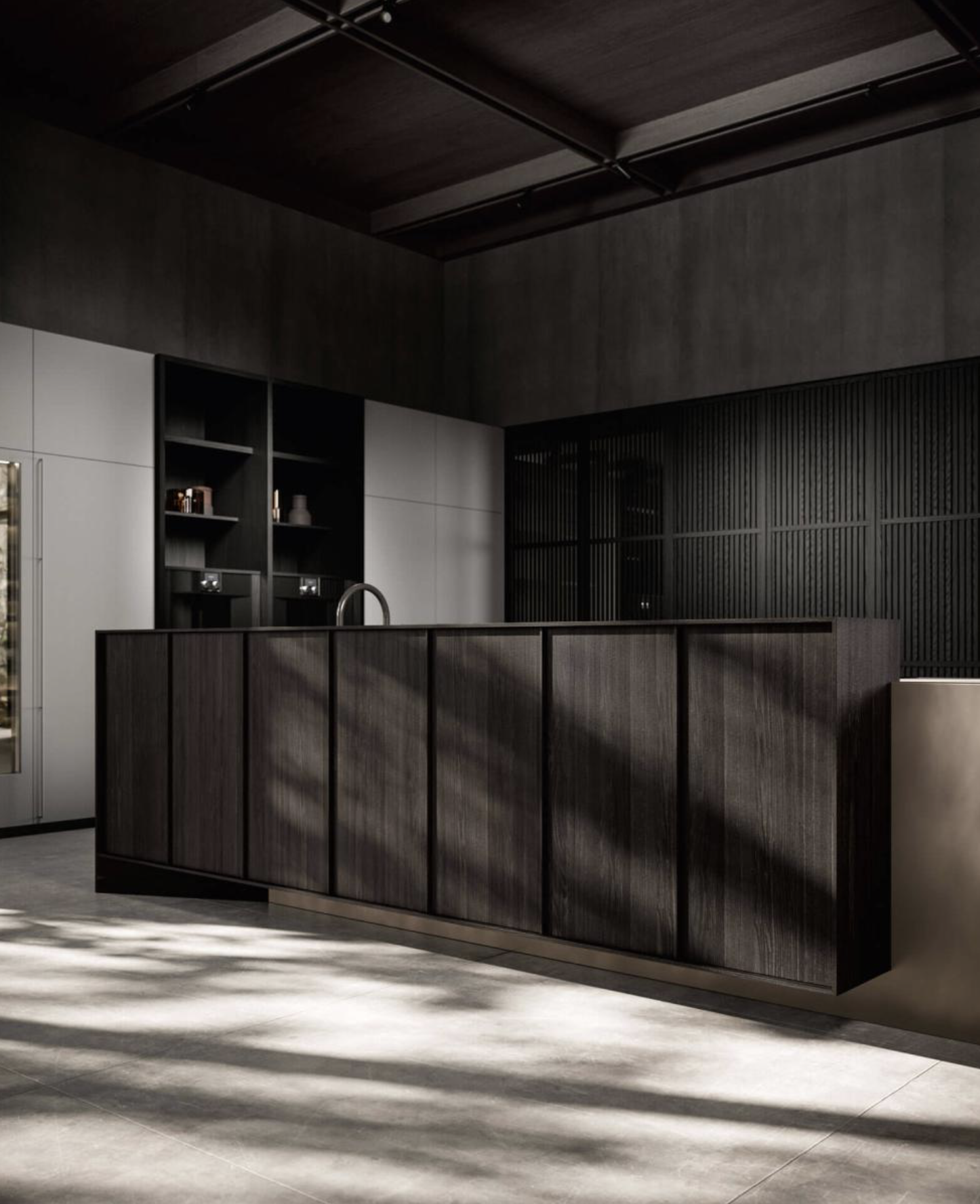
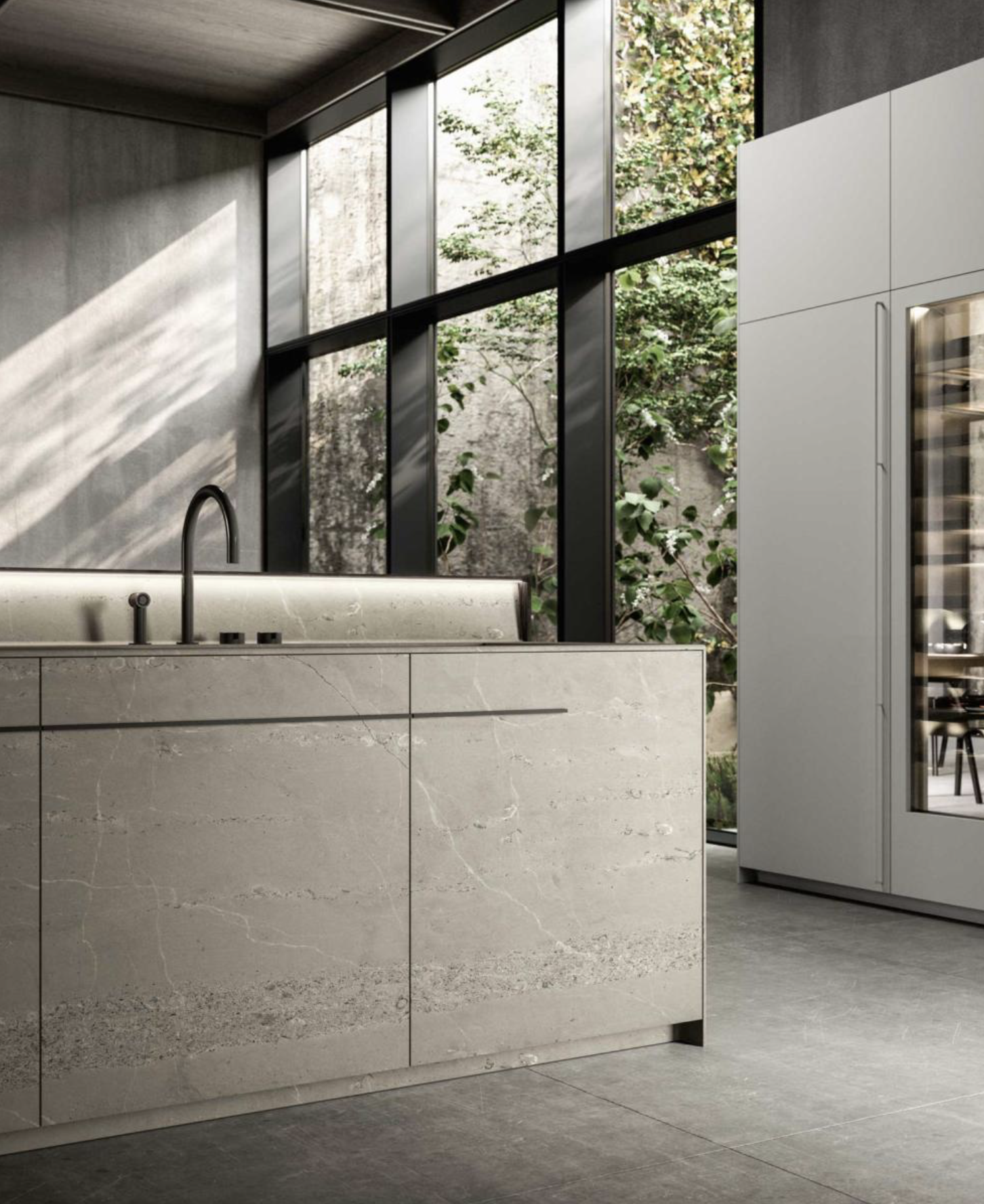
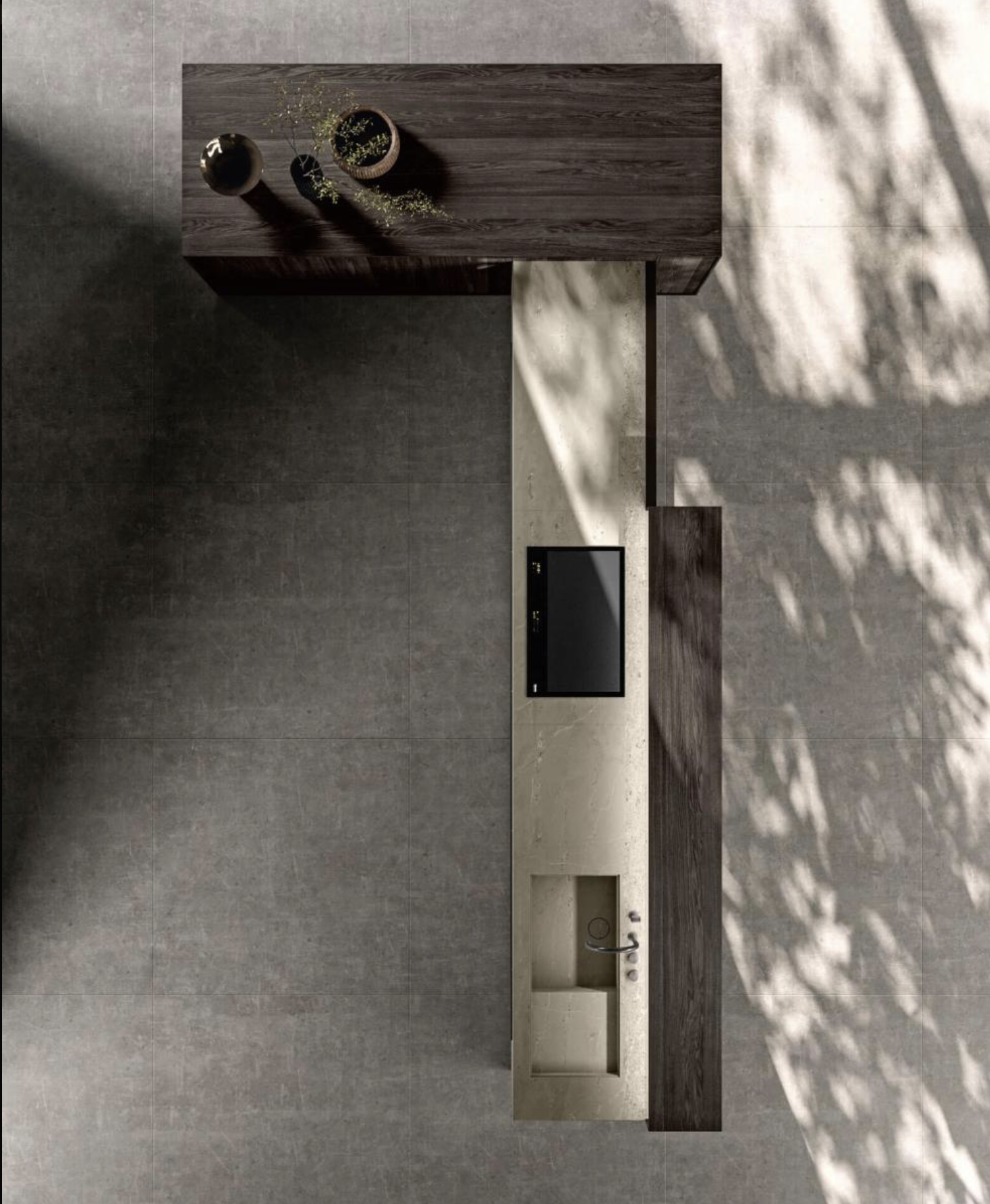
Just like the city it's named after, the new kitchen created by Key Cucine develops from an island, around which all other modules revolve. The island, enclosed and protected by wooden modules, which are practical and functional in their role, create a delicate aesthetic play that livens up the entire composition. It has an L-shaped floor plan that separates and distances the living area from the work area (kitchen).
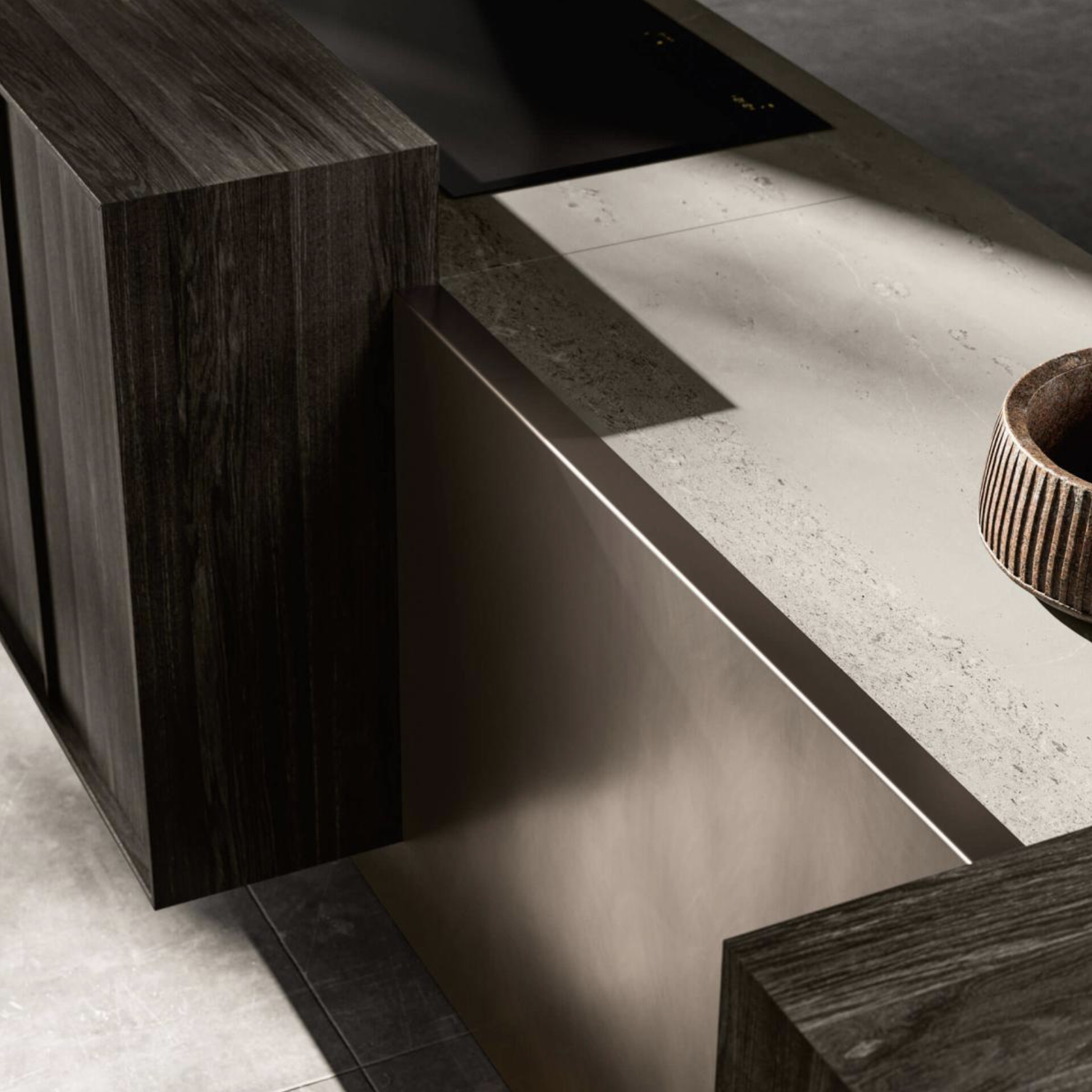
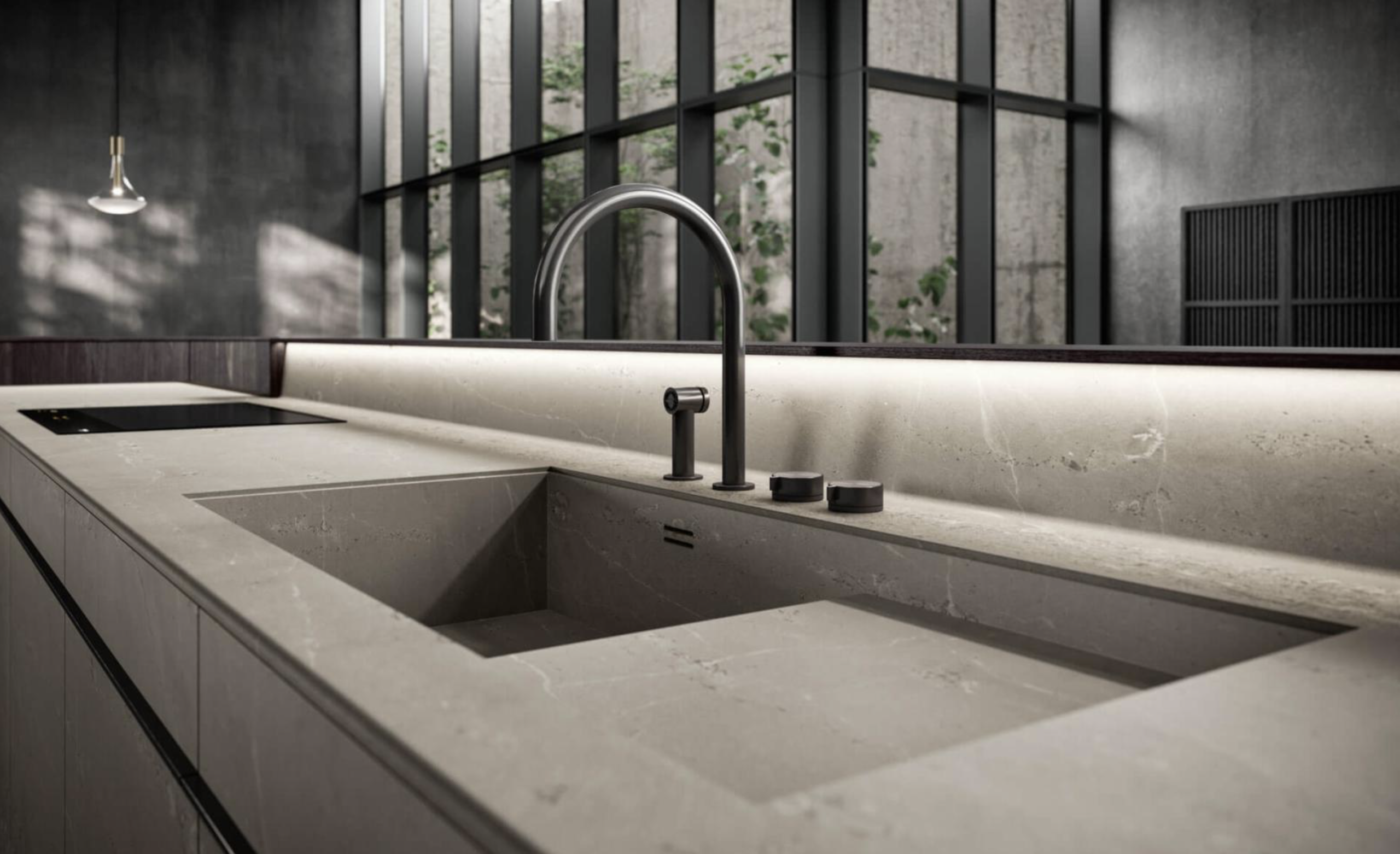
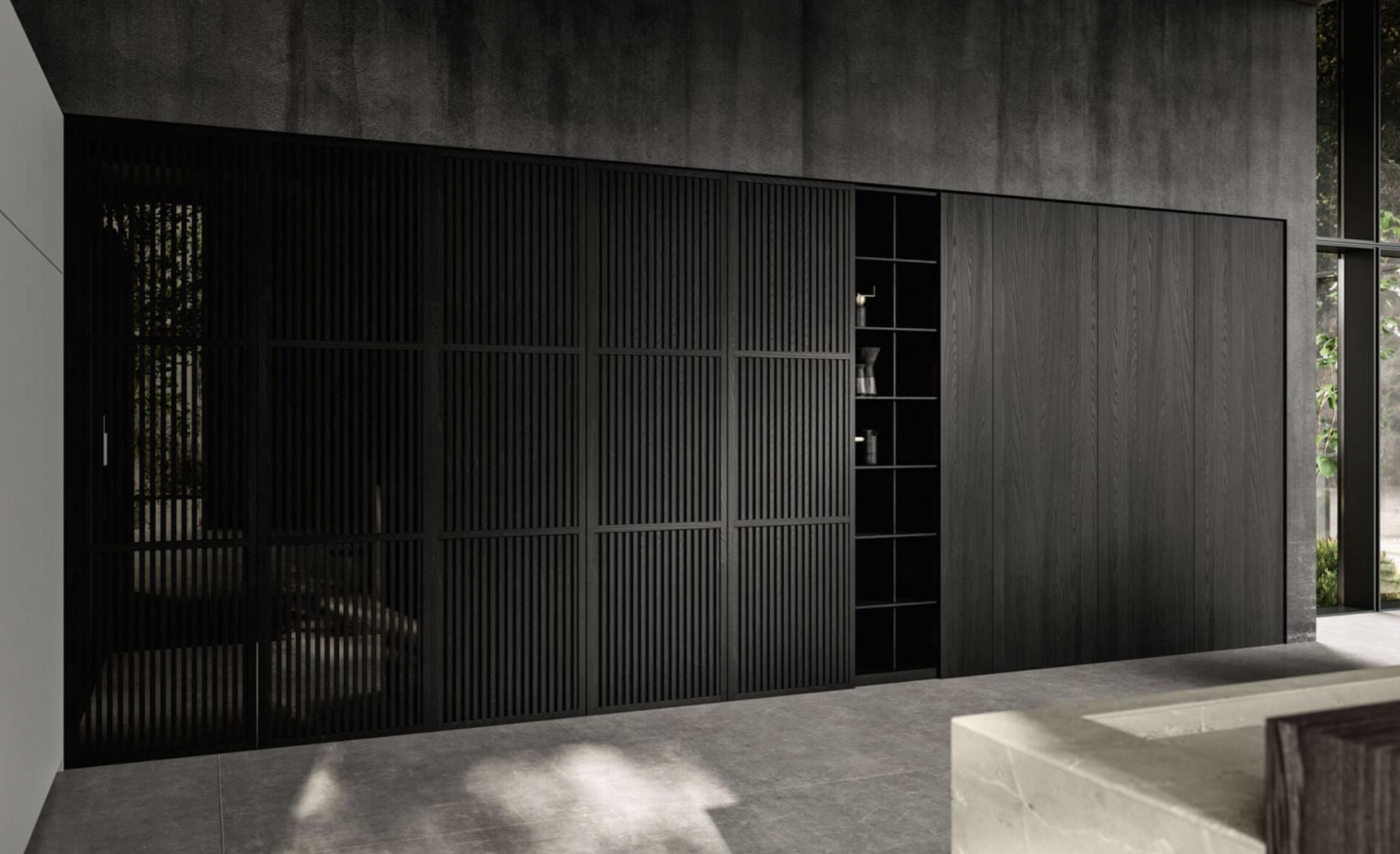
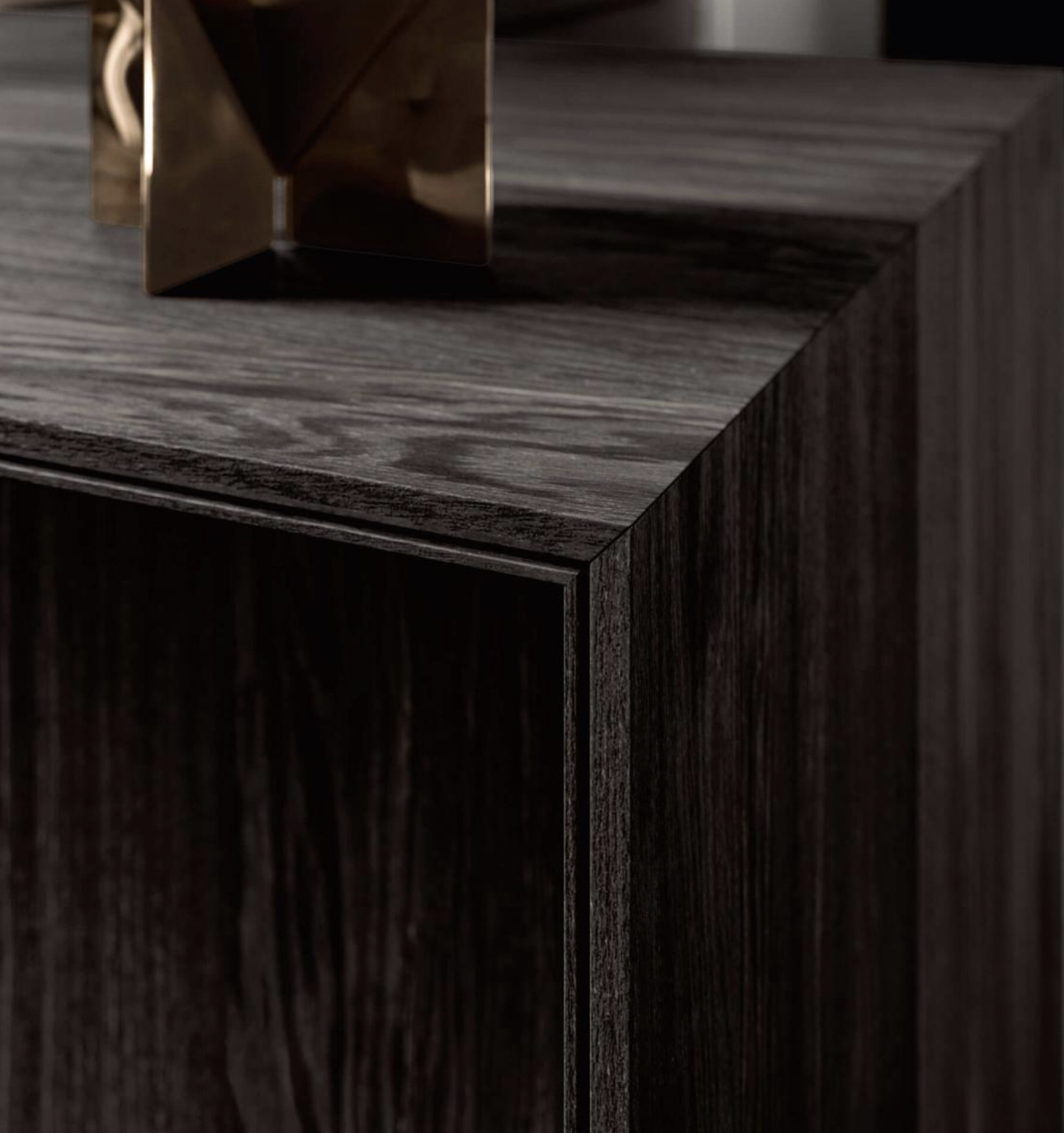
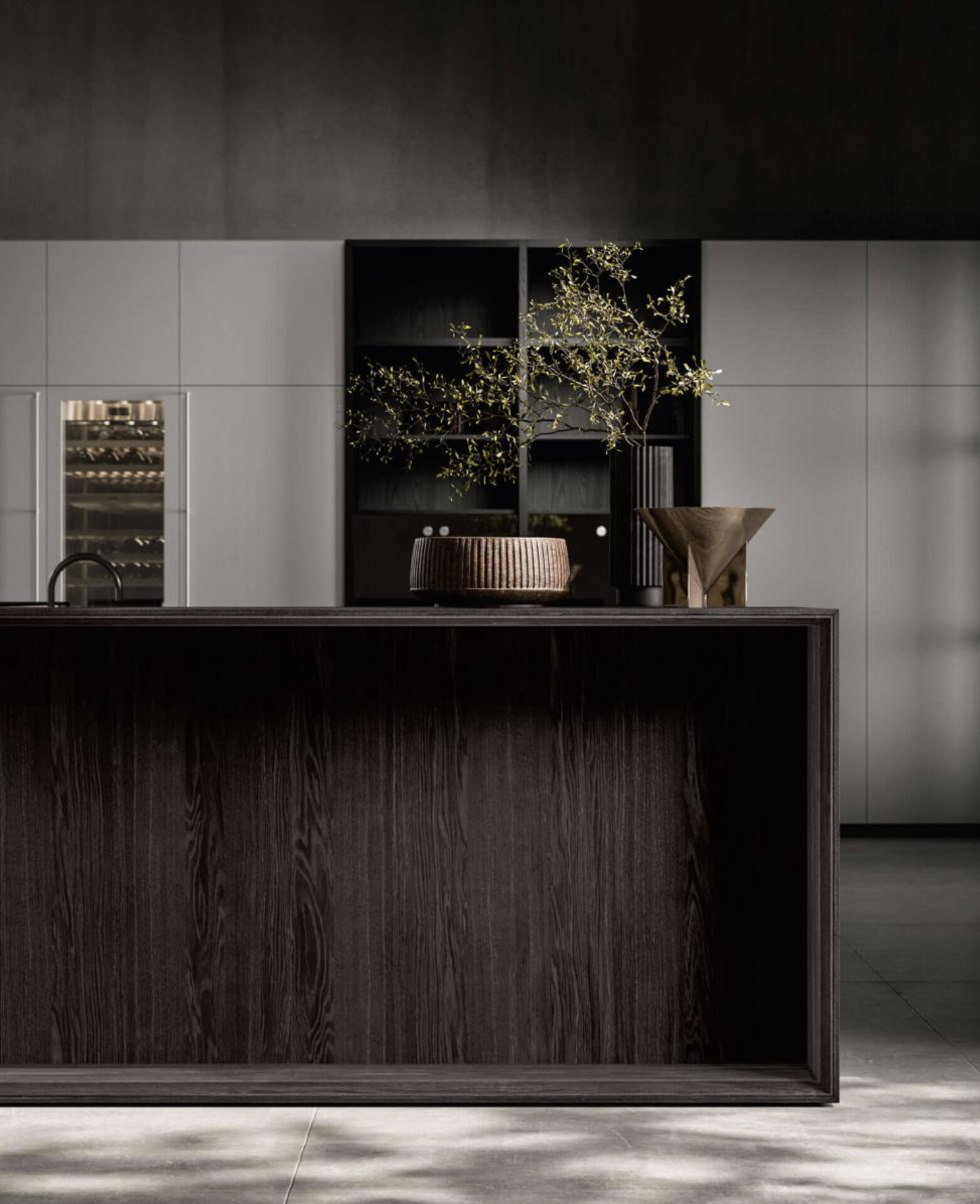
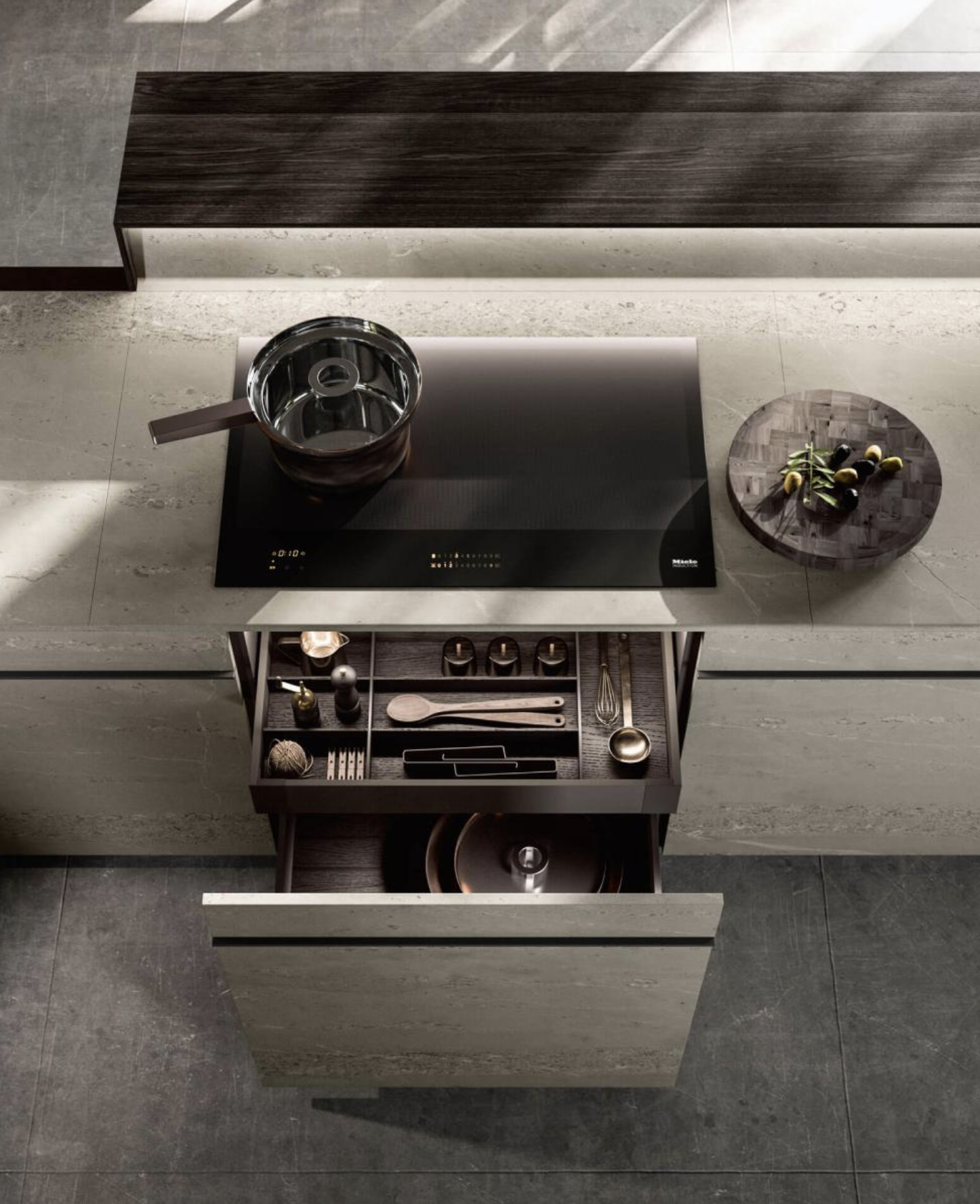
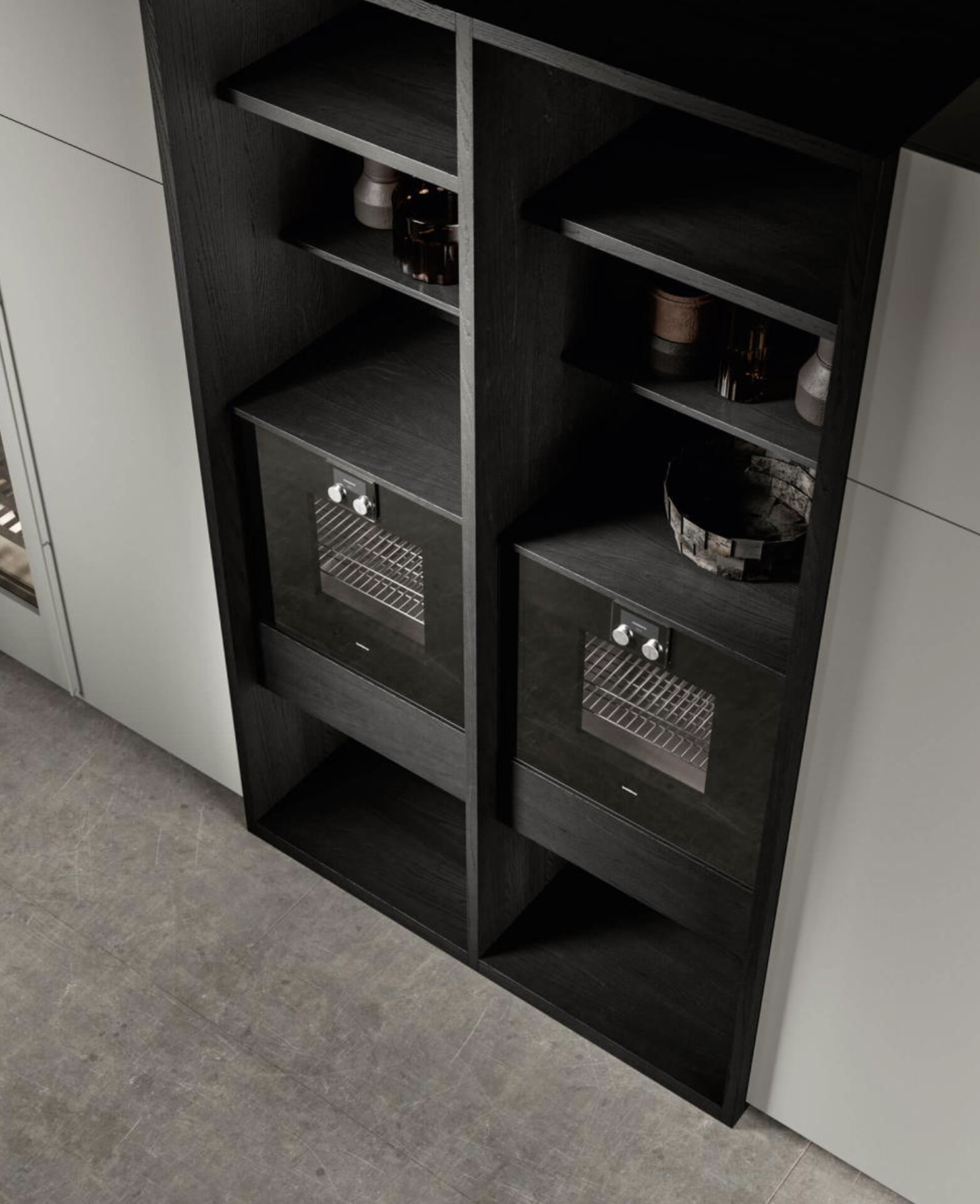
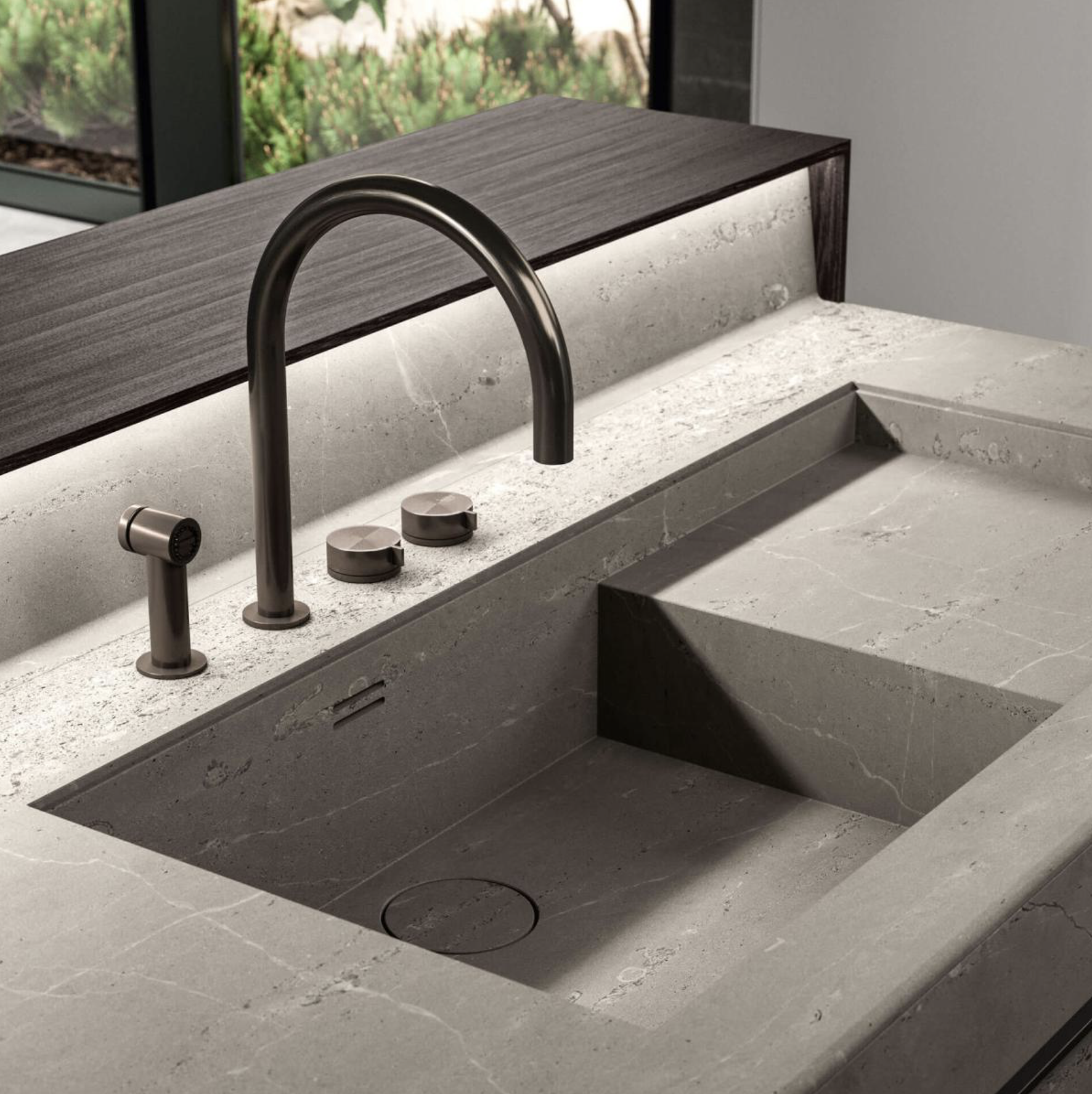
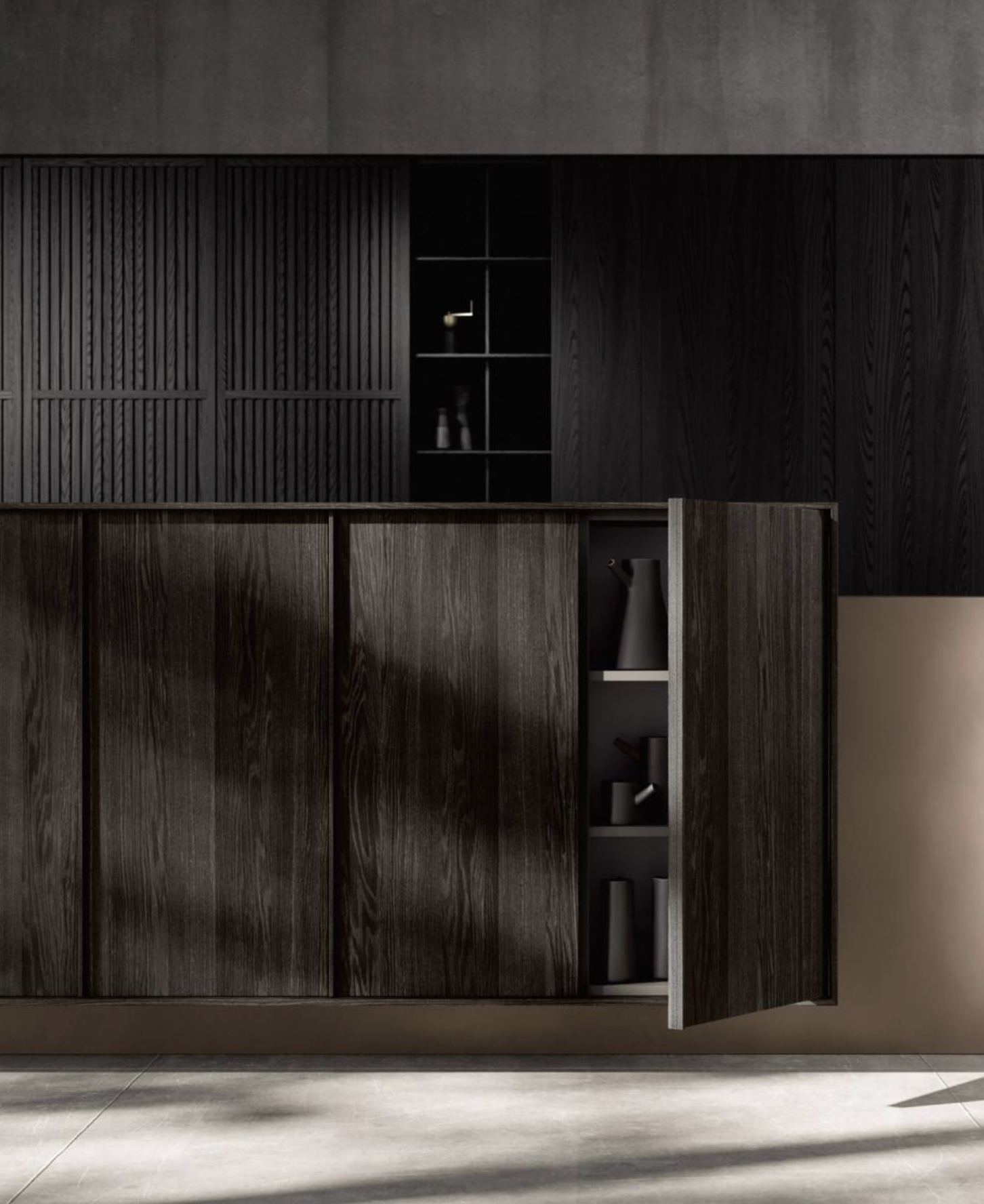
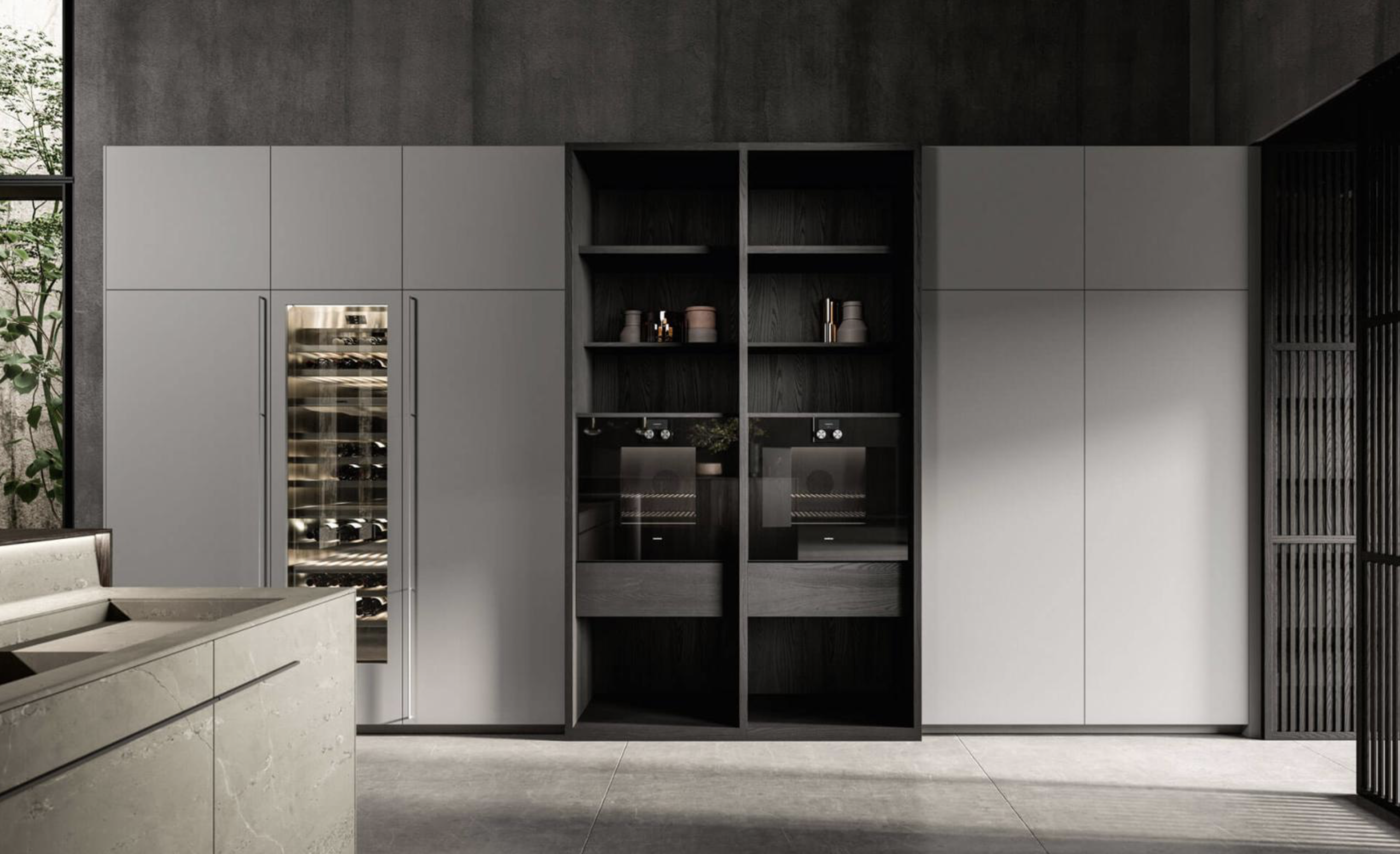
The central L-shaped module is composed of two new wooden elements facing outwards: an architectural counter that looks like a display case, a frame that can be customised, and a suspended door system. Both of these elements are made of millenary fossil oak, with a special dark colouring given by the oxidation of the wood. The opposite side, on the other hand, encloses a metal-clad element painted with a “soft biotite” effect - a special painting treatment that involves subsequent satin-finishing - and a block of Clauzetto marble, a particular limestone with a light grey background and characterised by the presence of fossil texture. Key Cucine's mastery is revealed not only in the choice of the unique and precious materials, but also in the details of the workmanship: the marble joints between the top and front doors finely worked and almost invisible, the marble sink set into the top, the doors of the equipped tall units and the solid wood panelling.
DESIGNER
Nevio Tellatin and Anita Brotto
THE UNIQUE DETAIL
The island architectural element is intended to evoke a very important urban planning concept: “From Spoon to City”, a phrase coined by Ernesto Nathan Rogers in 1952. From the grand to the small scale, Tai_O is like a small city that moves around its centre.
MATERIALS
Clauzetto marble, Millennial fossil oak, lacquered metal with “biotite soft” effect.
 Italian
  English